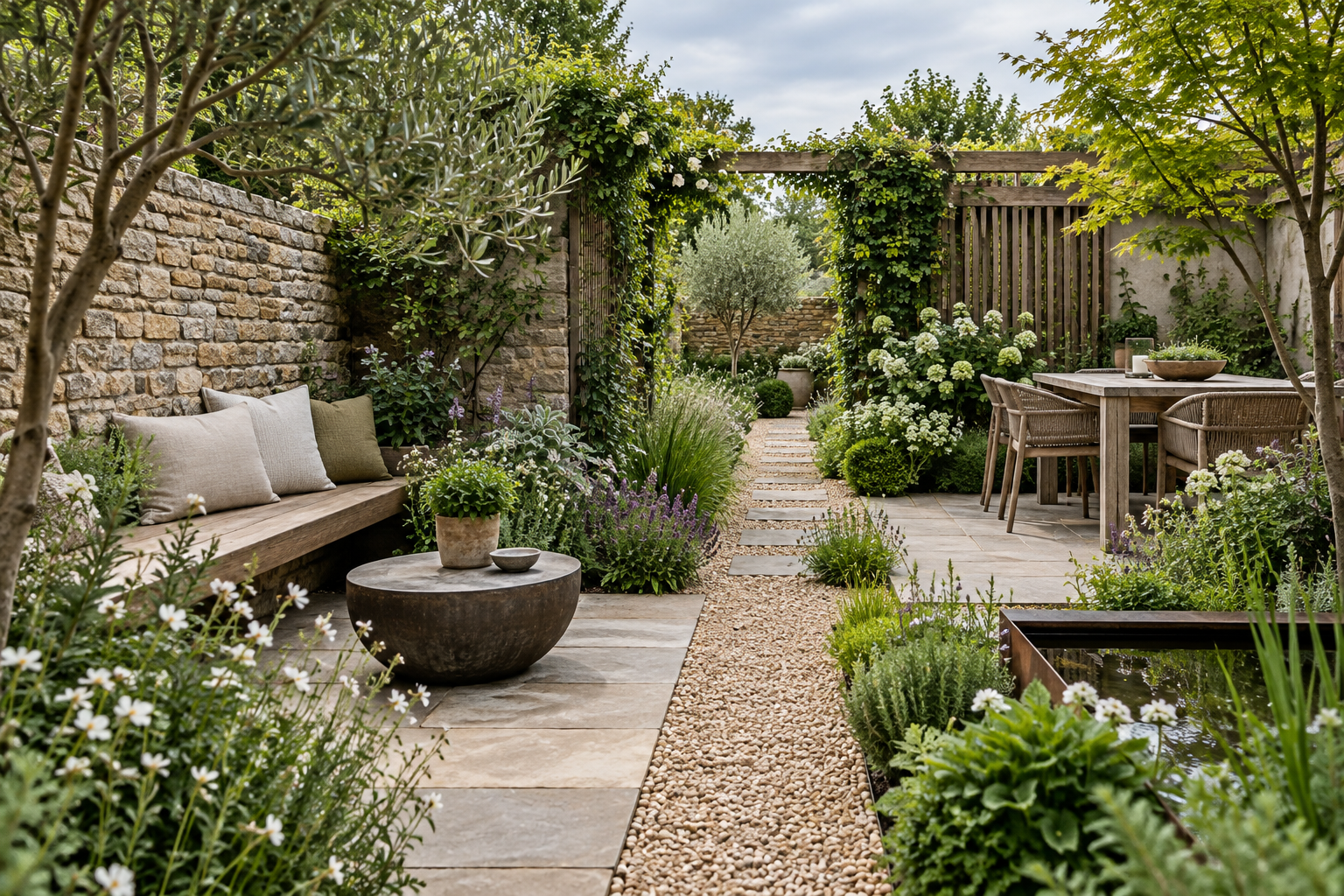
A good garden table acquires a familiar place in the day. Breakfast moves outside, someone works there for an hour and friends arrive for supper. Before choosing the finish, think about all the times people will pull up a chair.
Set the table with people in it
Measure the table and occupied chairs, including the space needed to stand up. Keep a practical route from the kitchen or door around the group. Try the footprint on the ground before ordering.
Check the base as well as the top. Table legs can interfere with seats, and a broad support may reduce legroom. Test stability on the paving where the set will stand.
Read the site as carefully as the label
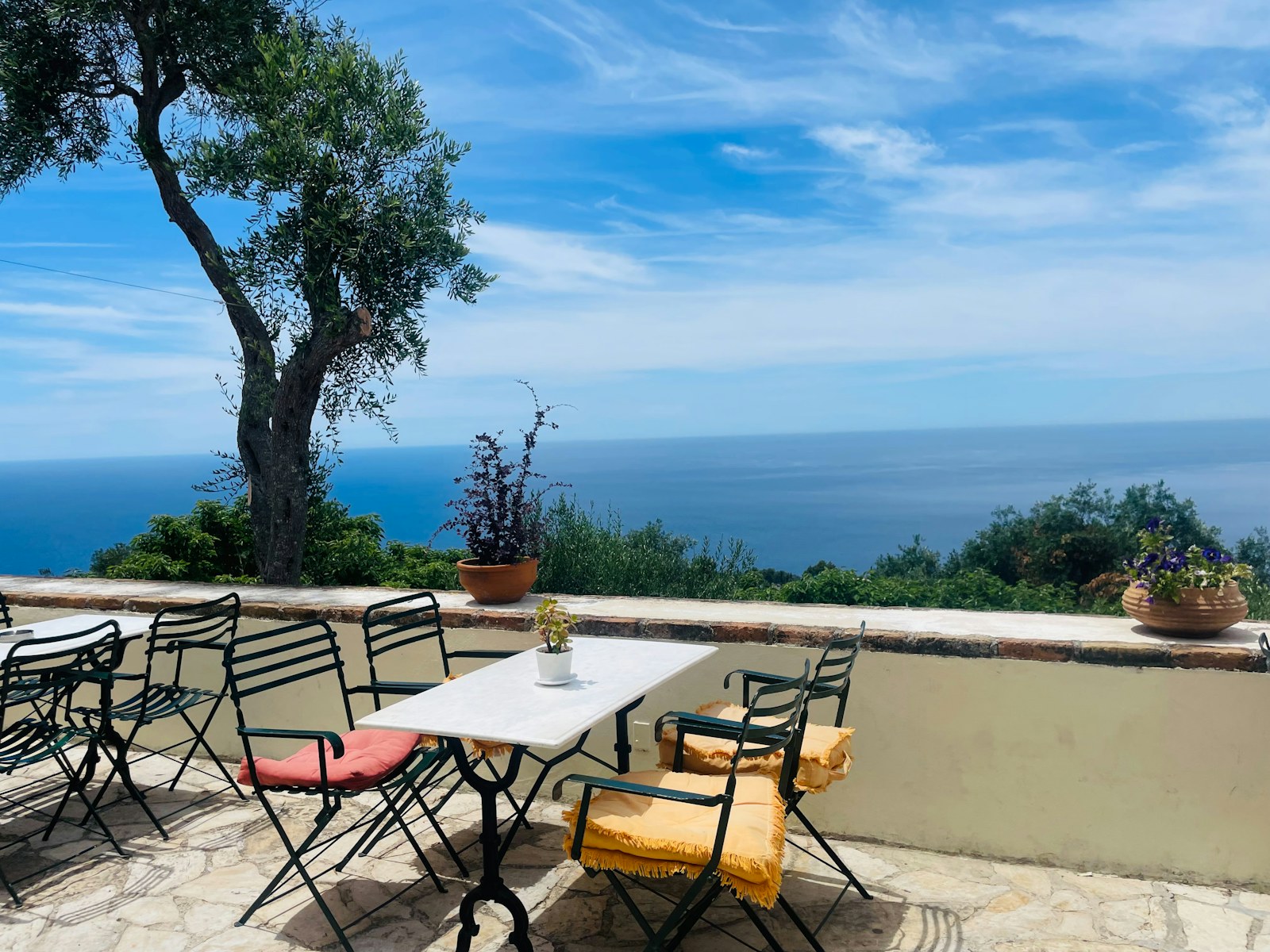
Notice how much sun, rain and wind reach the dining area. Near the sea, ask specifically about the suitability of the finish and hardware for salt exposure.
Read the manufacturer’s cleaning and care guidance. Find out whether feet, covers and other wearing parts can be replaced. Timber, metal and woven furniture all need a suitable construction and maintenance plan for the setting.
Make the daily handling easy
Try lifting or moving a chair if possible. Think about cleaning beneath the table and storing pieces when weather or the season requires it. Folding or stacking can help only if the furniture is comfortable in use and practical to handle.
Choose a tabletop that suits the way you eat and clean. Check the recommended products rather than assuming every surface tolerates the same treatment.
Find shade for the meal
Look at the sun during the hours you usually sit outside. Include a parasol’s compatible base and open canopy in the layout, following the maker’s installation and wind instructions.
When the set is in place, carry out a plate and pull back the chair. The table should make the next meal feel easy to begin. Our teak and aluminium comparison explores two possible material choices.