Morning starts at the kitchen counter and moves to the sunny end of the table. Later, a book finds its way to the sofa and a lamp comes on beside the bed. A home tells its story through these small changes of place. This guide follows them, room by room, with Mediterranean-inspired colour and texture as a connecting thread.
Before buying anything, note where daylight enters, where people walk and what needs to be stored. The broader style is covered in our guide to the Mediterranean decorating trend; here the focus is on practical decisions in each room.
Living room: arrange for conversation and light
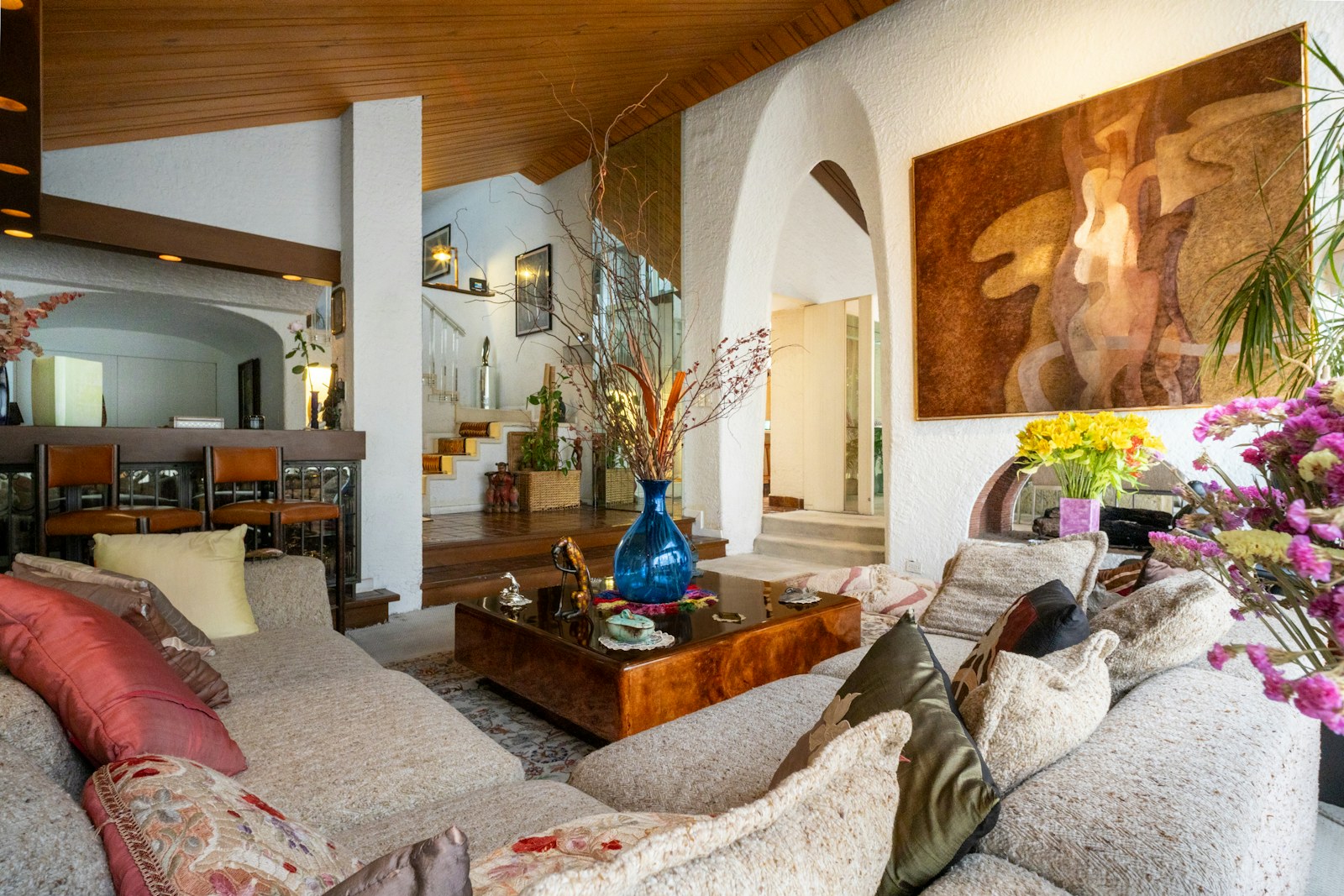
Start with the main route through the room and keep it clear. Arrange the sofa and chairs so people can talk without twisting around a screen. A rug can visually group the seating, but it should be large enough to anchor the arrangement without becoming a trip edge. If the room is small, choose one substantial coffee table or two nesting tables rather than several little surfaces.
Use window treatments that respond to the light and privacy needs. A simple curtain can soften strong sun; if glare is a problem, adjust the arrangement before adding darker paint. Place a mirror where it reflects daylight into the room without reflecting a bright window directly into seated eyes.
Dining room: make the table easy to reach
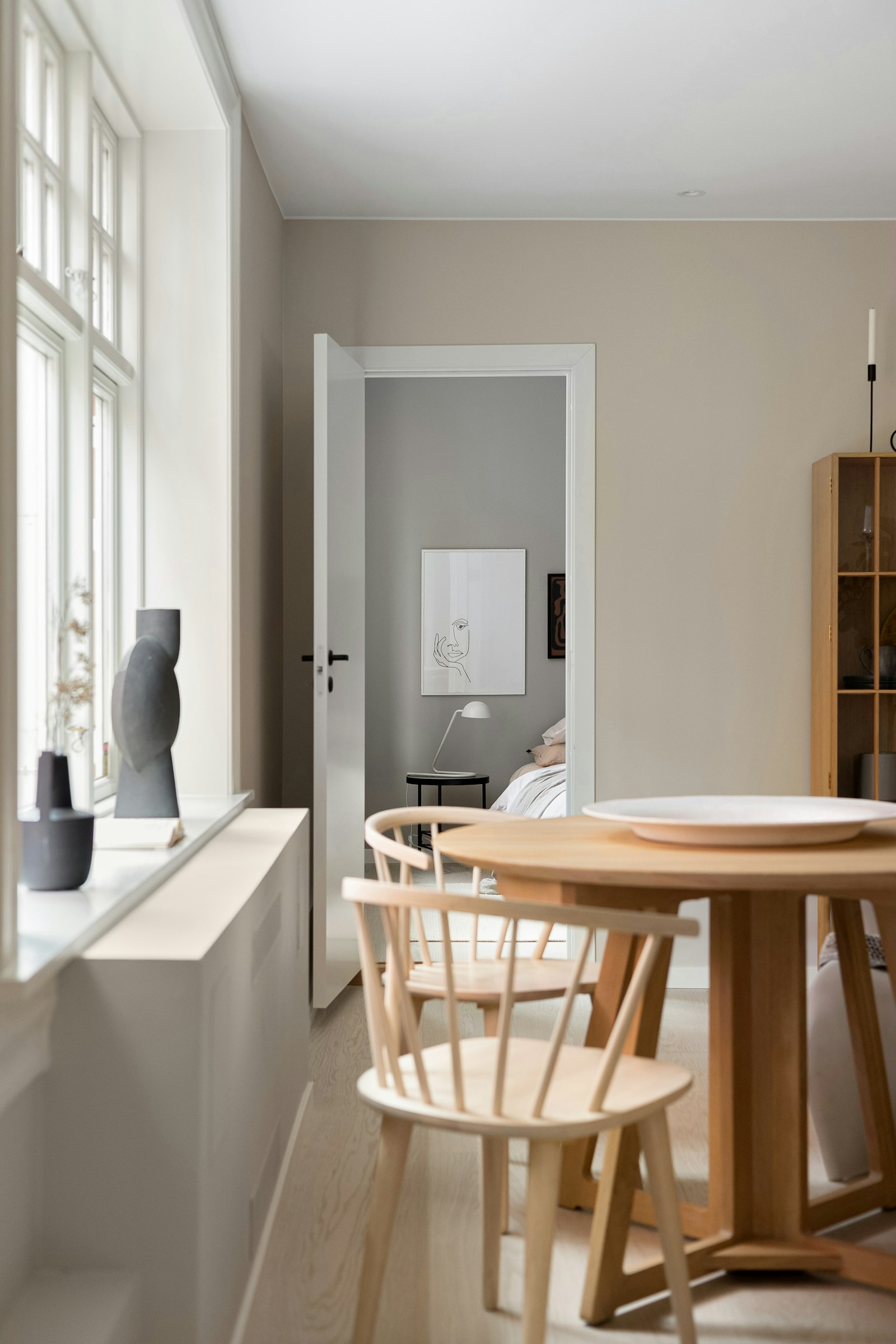
Choose a table shape that fits the room and leaves space for chairs to move. Keep a direct path between the kitchen and the seats, and avoid placing a large sideboard where it narrows the main route. If the dining area shares a room with the kitchen or living space, a pendant, rug or change in wall colour can define it without a partition.
Let the table carry only what is useful for daily meals. A ceramic bowl, a small vase or linen runner adds texture, but the surface should still be easy to clear and clean.
Kitchen: keep surfaces honest and workable
Natural texture can come from timber stools, handmade-looking ceramics or woven shades, but food-preparation surfaces need to suit cleaning and heat. Keep the worktop zones available for cooking; display only the objects used often enough to earn their space. A few repeated materials make an open kitchen feel considered without hiding its practical character.
Bedroom: soften contrast and protect storage
Use a quiet base of warm white, sand or muted green, then introduce colour through bedding and artwork. Layering two or three related fabrics usually feels calmer than using a matching set across every surface. Put lamps where they can be reached from bed and keep the floor route clear at night.
For compact bedrooms, use closed storage for items that create visual clutter and leave a little space around the bed. Wall hooks, a drawer beside the bed or under-bed storage can help without adding another bulky cabinet.
Children’s room: let flexible pieces do the growing
Choose a durable, easy-to-clean foundation and keep the most changeable interests in bedding, pictures, baskets and book displays. Low shelves make favourite books easier to reach; heavier or breakable objects belong out of climbing reach. Secure tall furniture according to the manufacturer’s instructions and avoid placing cords or unstable items near the sleeping area.
Make room for more than one activity: a clear patch for play, a comfortable place to read and storage that can be reset quickly. Our separate children’s bedroom guide will cover the details of an adaptable room.
Hallway and overlooked corners: solve a small problem
A hallway needs a clear passage first. Add a shallow console or wall hooks only where they do not reduce the walking space. In an unused corner, decide on one purpose—a reading chair, plant stand or small desk—then provide the light and storage that purpose needs.
Use a small palette across the home
Connect separate rooms with a few repeated choices: one timber tone, a warm neutral and a muted accent. Texture can vary from room to room, which keeps the house from feeling like a showroom. If outdoor rooms are part of the plan, repeat one colour or material at the threshold; our guide to planning outdoor zones shows how circulation links terrace, garden and poolside.
Make the final walk through the house
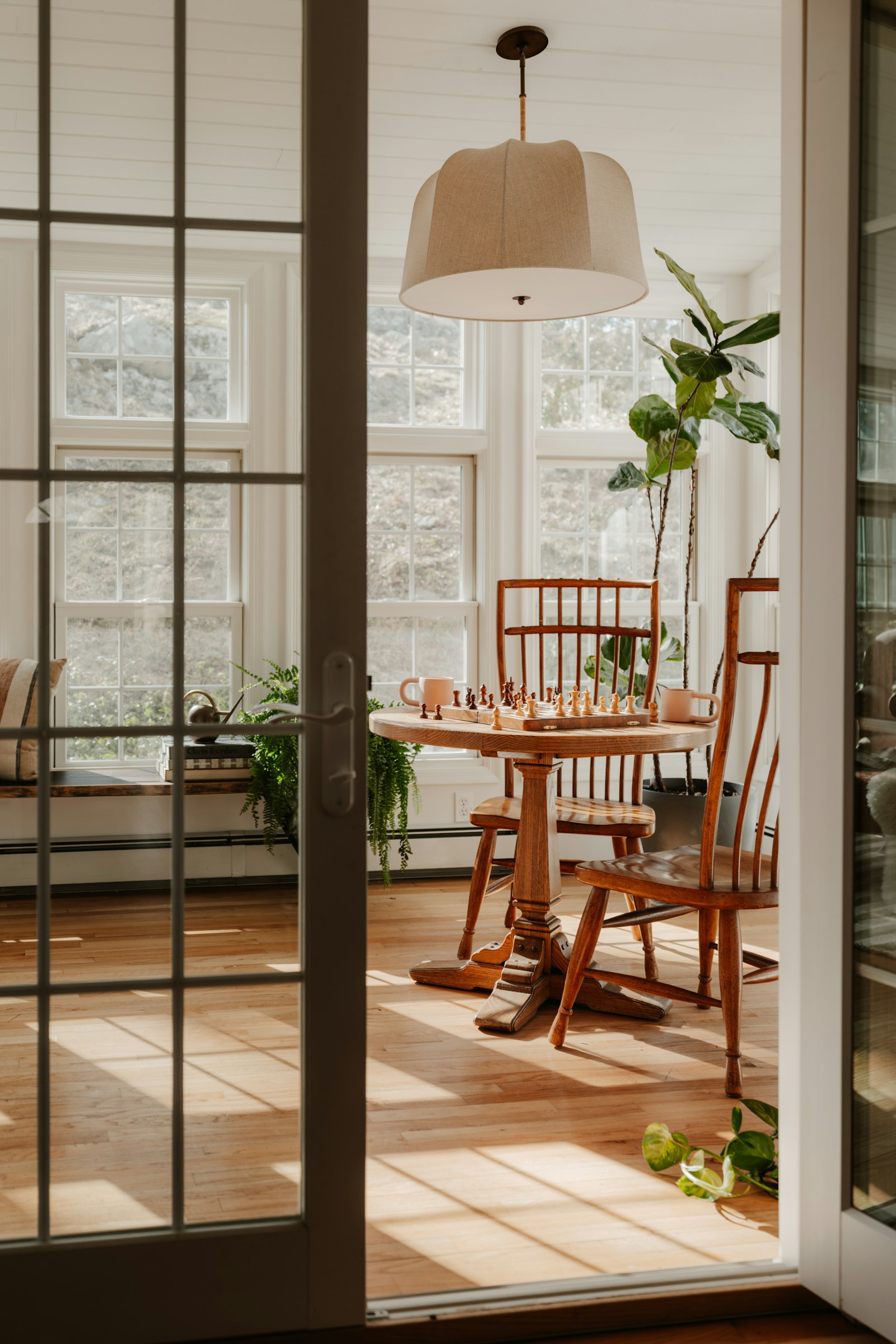
Before adding decoration, walk through the rooms and notice what catches on a door, blocks a route or makes a surface hard to use. Remove one unnecessary item, improve one light source and bring one meaningful object into view. A home feels collected when its choices reflect the people who live there, not when every room repeats the same accessories.
Take the walk again in the evening. Each room can have its own character while a familiar timber tone, a useful light and an easy route make the house feel like one place to live.